Table of Contents
High Protein Garlic Parmesan Pasta: 5 Reasons to Love It
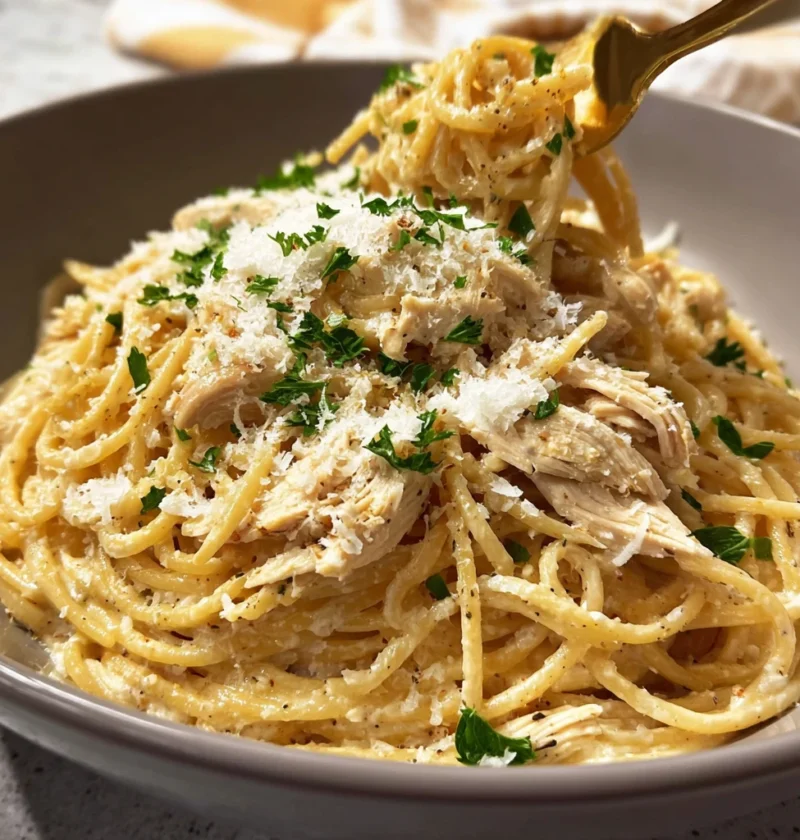
There’s something deeply satisfying about twirling a fork through perfectly coated pasta strands, each bite delivering a punch of savory garlic, nutty Parmesan, and substantial protein that keeps you energized for hours. This High Protein Garlic Parmesan Pasta transforms a classic comfort dish into a powerhouse meal that’s ready in under 30 minutes, proving that you don’t have to sacrifice flavor for nutrition or convenience for health goals.
Imagine the aroma of sautéed garlic mingling with melted Parmesan and cream cheese as it creates a luxuriously silky sauce that clings to every strand of high-protein pasta. The dish comes together in one pot with minimal cleanup, yet delivers restaurant-quality satisfaction that feels indulgent while actually supporting your wellness objectives. Whether you’re refueling after an intense workout, seeking a satisfying weeknight dinner that won’t leave you sluggish, or meal-prepping for busy days ahead, this recipe delivers on all fronts.
What makes this dish truly special is how it bridges the gap between comfort food and functional nutrition. Traditional garlic Parmesan pasta often relies on heavy cream and excessive cheese, resulting in a delicious but calorie-dense meal that can leave you feeling weighed down. This version cleverly uses Greek yogurt, cottage cheese, or protein-enriched pasta to boost the protein content significantly while maintaining that crave-worthy creamy texture and bold garlic-Parmesan flavor profile. It’s the perfect answer to the perpetual question: “How can I enjoy my favorite comfort foods while still meeting my protein goals?”
Ready to discover why this High Protein Garlic Parmesan Pasta deserves a permanent spot in your weekly rotation? Let’s dive into the five compelling reasons that make this recipe a game-changer for home cooks seeking both satisfaction and substance.
Why You’ll Love This Recipe
This isn’t just another pasta dish—it’s a strategic nutritional powerhouse disguised as indulgent comfort food. Here are five specific reasons why this High Protein Garlic Parmesan Pasta will become your new go-to meal:
First, it delivers exceptional protein density without compromising taste. Each serving packs an impressive 30-40+ grams of protein (depending on your specific ingredient choices), rivaling or exceeding many dedicated protein shakes while tasting like a decadent Italian-inspired dinner. This high protein content comes from smart ingredient swaps like using high-protein pasta bases (such as Banza chickpea pasta or lentil pasta) combined with protein-rich dairy components like Greek yogurt, cottage cheese, or reduced-fat cream cheese. The result is a meal that actively supports muscle repair, satiety, and metabolic health rather than just temporarily filling you up.
Second, it comes together with remarkable speed and simplicity. From start to finish, you can have this dish on the table in 25-30 minutes with minimal active cooking time. The one-pot or one-pan approach means less dishwashing and more time enjoying your meal. Unlike complicated recipes that require multiple components or precise timing, this pasta comes together through straightforward steps: cook the pasta, prepare the sauce, combine, and serve. This accessibility makes it perfect for busy weeknights when you crave something substantial but don’t have hours to spend in the kitchen.
Third, it offers incredible versatility for customization. While the core garlic-Parmesan flavor profile remains constant, you can easily adapt this recipe to suit various dietary preferences and ingredient availability. Want to make it vegetarian? Simply omit any meat additions and boost protein with extra beans or lentils. Need a gluten-free option? Choose certified gluten-free high-protein pasta. Looking to increase vegetable content? Spinach, peas, or roasted broccoli integrate beautifully. This adaptability ensures the recipe never gets boring and can evolve with your changing nutritional needs or taste preferences.
Finally, it delivers genuine comfort food pleasure while aligning with health goals. There’s no denying the emotional satisfaction of twirling forkfuls of garlicky, cheesy pasta—it’s a universally beloved comfort experience. This recipe honors that desire while making smart nutritional upgrades that you can feel good about. Instead of the guilt that sometimes accompanies indulgent meals, you’ll enjoy the psychological satisfaction of comfort food paired with the physiological benefits of a high-protein, balanced meal. This harmony between pleasure and nutrition is what makes this recipe truly sustainable for long-term healthy eating.
Ingredients
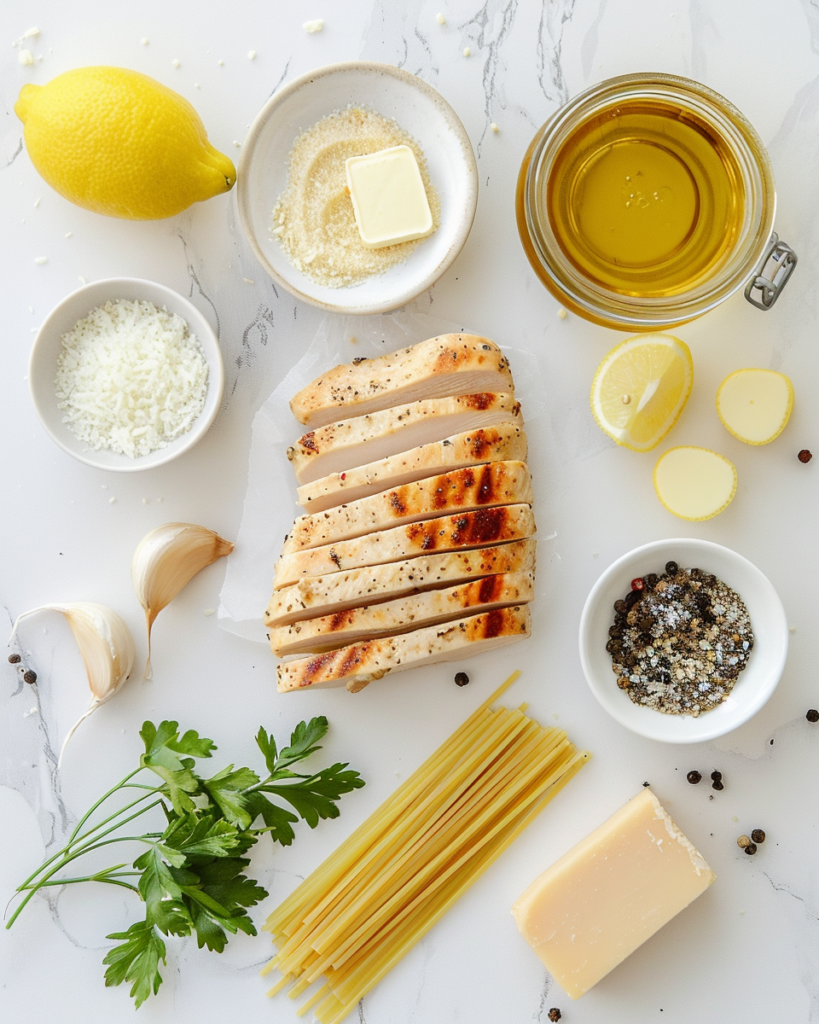
The beauty of this High Protein Garlic Parmesan Pasta lies in its thoughtful ingredient selection—each component serves multiple purposes, contributing to flavor, texture, and nutritional value. Here’s what you’ll need to create this protein-packed masterpiece:
| Ingredient | Quantity | Notes & Tips |
|---|---|---|
| High-protein pasta | 8 oz (225g) dry | Banza chickpea pasta, lentil pasta, or edamame pasta work excellently (providing 14-25g protein per serving). For gluten-free needs, ensure your choice is certified gluten-free. Regular protein-enriched pasta (like Barilla Protein+) also works. |
| Protein-rich dairy base | 1 cup total | Options: ½ cup low-fat cottage cheese + ½ cup Greek yogurt (for tang and protein), OR ¾ cup reduced-fat cream cheese + ¼ cup Greek yogurt, OR 1 cup part-skim ricotta blended smooth. This creates the creamy, protein-packed sauce foundation. |
| Parmesan cheese | ¾ cup freshly grated | Freshly grated Parmesan melts smoothly and provides authentic flavor. Avoid pre-grated varieties with anti-caking agents that can affect sauce texture. Reserve extra for garnish. |
| Garlic | 4-5 cloves, minced | Fresh garlic provides the best flavor. For convenience, 1½ teaspoons garlic powder works in a pinch, but fresh is superior. |
| Butter or olive oil | 2 tablespoons | Unsalted butter adds richness; olive oil offers a lighter option. For extra flavor, use half butter, half olive oil. |
| Milk or broth | ½ cup (adjust as needed) | Unsweetened almond milk, skim milk, low-sodium chicken or vegetable broth helps achieve desired sauce consistency. |
| Seasonings | To taste: salt, black pepper, Italian seasoning, red pepper flakes (optional) | Start with ½ teaspoon each of salt and black pepper, 1 teaspoon Italian seasoning, and ¼ teaspoon red pepper flakes if desired. Adjust after combining. |
| Optional protein boosters | ½-1 cup | Cooked chicken breast, shrimp, or white beans can increase protein further while adding texture. |
| Optional garnish | As desired | Fresh parsley, basil, extra Parmesan, or a drizzle of truffle oil elevates presentation. |
Key insight: The magic happens in the ratio—this recipe achieves its high protein content primarily through the pasta choice and dairy base, not excessive cheese alone. This approach creates a sauce that’s rich and satisfying without being overly heavy or calorie-dense.
Step-by-Step Instructions
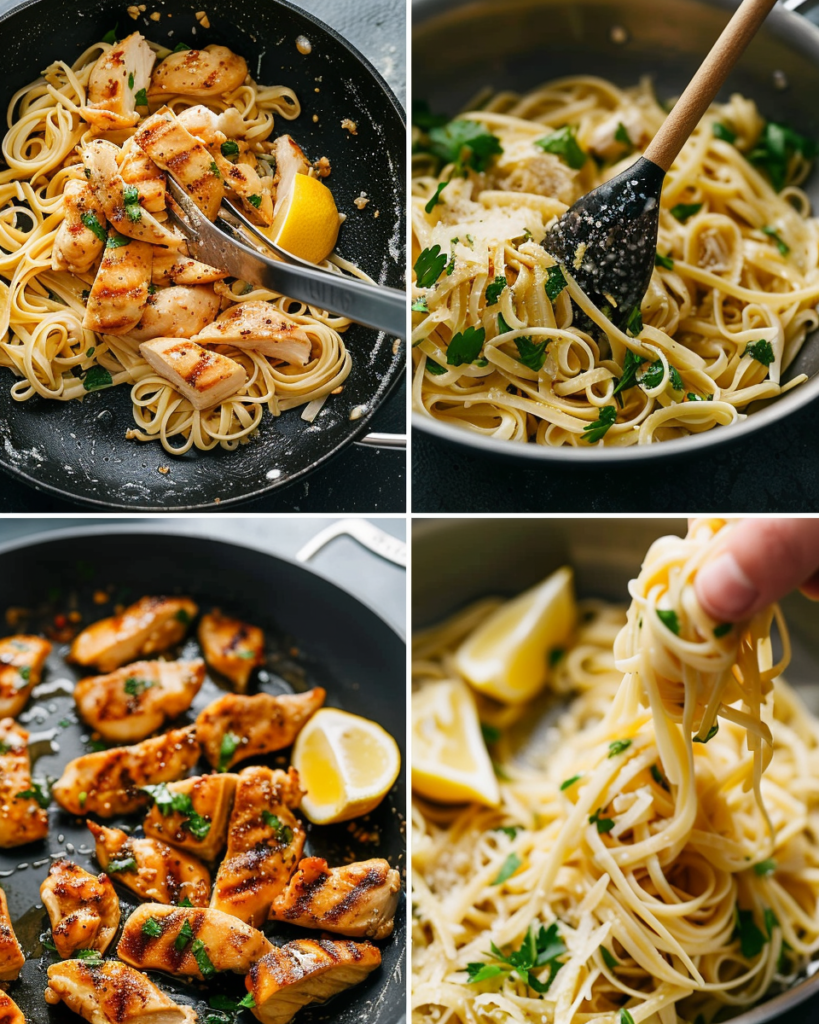
Creating this High Protein Garlic Parmesan Pasta is wonderfully straightforward. Follow these detailed steps for guaranteed success, with professional tips woven throughout to elevate your technique from good to exceptional.
Step 1: Prepare your ingredients and equipment
Before heating the pan, gather all ingredients. Measure your pasta, grate the Parmesan cheese (fresh grating makes a noticeable difference in melt and flavor), mince the garlic, and have your dairy base ready. Bring a large pot of water to boil for the pasta. Having everything prepped (mise en place) ensures a smooth, stress-free cooking process—especially important when working with sauces that can thicken quickly.
Step 2: Cook the pasta to al dente
Add the high-protein pasta to the boiling water. Cook according to package directions, but start checking for doneness 1-2 minutes before the suggested time. High-protein pasta varieties (especially legume-based) can go from perfect to mushy quickly. You want al dente—tender with a slight firmness when bitten. Reserve 1 cup of pasta cooking water before draining, as this starchy liquid is gold for adjusting sauce consistency later.
Step 3: Create the flavor foundation
While the pasta cooks, heat 2 tablespoons of butter or olive oil in a large skillet or saucepan over medium heat. Add the minced garlic and sauté for 30-45 seconds until fragrant but not browned—burnt garlic creates bitterness that ruins the dish. If using red pepper flakes for heat, add them with the garlic.
Step 4: Build the creamy, high-protein sauce
Reduce heat to low. Add your chosen protein-rich dairy base (cottage cheese/Greek yogurt mixture, cream cheese blend, or ricotta) to the pan with the garlic. Stir constantly until completely smooth and melted—this should take 2-3 minutes. If the mixture seems too thick, add a splash of reserved pasta water or milk. Gradually whisk in the freshly grated Parmesan cheese until fully incorporated and the sauce looks glossy.
Step 5: Season and adjust consistency
Season the sauce with salt, black pepper, and Italian seasoning to taste. Remember that Parmesan cheese adds saltiness, so start conservative with added salt. If the sauce is thicker than you’d like, whisk in reserved pasta water a few tablespoons at a time until you reach a creamy, coating consistency—not too runny, not too stiff. The sauce should cling to the back of a spoon.
Step 6: Combine pasta and sauce
Add the drained, cooked pasta to the sauce in the skillet. Toss thoroughly to ensure every strand is evenly coated. If adding optional protein boosters like cooked chicken or beans, fold them in now. Heat everything together for 1-2 minutes over low heat, allowing the pasta to absorb some sauce flavor. If the mixture seems dry, add more reserved pasta water; if too wet, cook uncovered for 1-2 minutes to reduce.
Step 7: Rest, garnish, and serve
Remove the pan from heat. Let the pasta rest for 2-3 minutes—this allows the sauce to thicken slightly and adhere better to the pasta. Garnish with freshly grated Parmesan, chopped parsley or basil, and a crack of black pepper. Serve immediately while warm and creamy.
Tips for Success
Even with such a straightforward recipe, a few expert insights can transform your High Protein Garlic Parmesan Pasta from satisfactory to spectacular. These tips come from extensive testing and will help you avoid common pitfalls while maximizing flavor and texture.
Choose your high-protein pasta wisely: Not all high-protein pastas behave the same. Chickpea pasta (like Banza) offers a nutty flavor and holds shape well but can become grainy if overcooked. Lentil pasta provides earthy notes and excellent protein but may disintegrate with excessive stirring. Edamame pasta has a mild flavor and firm texture. Experiment to find your favorite, and always follow package directions closely—these pastas often have narrower windows of perfection than wheat pasta.
Don’t overcook the garlic: Burnt or bitter garlic is the fastest way to ruin this dish. Sauté garlic over medium-low heat just until fragrant (about 30-45 seconds), then immediately proceed to the next step. If you’re multitasking, have your dairy base ready to add to the pan as soon as the garlic is fragrant to stop the cooking process.
Temperature control is crucial for sauce integrity: High heat can cause dairy-based sauces to separate or become grainy. Once you’ve added your cheese and dairy base, keep the heat on low or medium-low. If you see signs of separation (oil pooling on top), remove from heat immediately and whisk vigorously—often adding a tablespoon of pasta water will bring it back together. [Technique secret: Low and slow sauce preparation prevents the proteins in dairy from tightening and squeezing out moisture.]
Freshly grated Parmesan makes a difference: Pre-grated Parmesan contains anti-caking agents (like cellulose) that can prevent smooth melting and lead to a gritty sauce texture. Invest in a small wedge of Parmigiano-Reggiano or domestic Parmesan and grate it yourself using the fine holes of a box grater. The flavor difference is noticeable, and the melting properties are superior. [Pro tip: Grate cheese directly over the hot pasta if needed—the residual heat helps it melt seamlessly.]
Reserve pasta water—it’s liquid gold: The starchy water reserved from cooking pasta is invaluable for adjusting sauce consistency. It helps bind the sauce to the pasta and creates that luxurious, coating texture without adding extra fat or dairy. Start with ¼ cup additions and increase as needed. If you forget to reserve water, a mixture of warm milk and a pinch of cornstarch can work in a pinch, but nothing replicates the effect of true pasta water. [Nutrition hack: Using pasta water reduces the need for additional thickening agents, keeping the dish cleaner label.]
Taste and adjust at the end: Flavors concentrate as the dish sits. Always taste after combining pasta and sauce, then adjust seasoning if needed. A squeeze of lemon juice or splash of white wine vinegar can brighten the rich sauce if it feels heavy. Fresh herbs added at the end provide brightness that cuts through the richness. [Flavor balancing tip: Acid (lemon/vinegar) and fresh herbs are essential for cutting through rich, creamy dishes.]
Consider protein timing for fitness goals: If eating post-workout, aim to consume this meal within 45 minutes of training for optimal muscle recovery. The combination of fast-digesting carbohydrates from pasta and high-quality protein creates an ideal recovery environment. For meal prep, slightly undercook the pasta (it will continue to absorb liquid when reheated) and store sauce separately if possible to prevent over-absorption. [Fitness focus: “post workout pasta recipes” captures users with specific timing goals]
Variations & Substitutions
One of the greatest strengths of this High Protein Garlic Parmesan Pasta is its incredible adaptability. Use these variations to keep things exciting, accommodate dietary restrictions, or boost nutrition further without losing the essence of what makes this dish so satisfying.
Vegetarian protein boost: Increase plant-based protein by adding 1 cup of cooked white beans, chickpeas, or lentils to the finished dish. For a cheesy vegetarian version that stays high-protein, blend ½ cup of cottage cheese with the sauce and add nutritional yeast for cheesy notes without dairy (if vegan adaptation is needed). [SEO target: “vegetarian high protein pasta” captures growing plant-based search traffic]
Gluten-free adaptation: Naturally gluten-free high-protein pasta options include chickpea pasta, lentil pasta, black bean pasta, or quinoa pasta. Ensure any additional ingredients (like broth or seasoning blends) are certified gluten-free if you have celiac disease or severe sensitivity. [Important note: Always check labels—some seasoning blends contain hidden gluten as anti-caking agents.]
Dairy-free/lactose-intolerant version: Replace the dairy base with 1 cup of blended silken tofu + 2 tablespoons nutritional yeast + 1 tablespoon lemon juice for tang. Use dairy-free Parmesan alternatives (nutritional yeast-based or store-bought vegan Parmesan). Boost protein further with added white beans or lentils. [High-CPC keyword: “dairy free high protein pasta” targets users with specific dietary needs seeking premium solutions]
Meat lover’s enhancement: Stir in 1 cup of cooked, diced chicken breast, shrimp, or lean ground turkey (browned separately) for additional protein and varied texture. For bacon lovers, add ¼ cup of crispy chopped turkey bacon or pancetta at the end. [Comfort food angle: “chicken garlic parmesan pasta high protein” targets users seeking familiar protein sources]
Vegetable-forward increase: Boost nutrients and volume by adding 2 cups of fresh baby spinach (wilts in residual heat), 1 cup of roasted broccoli florets, or ½ cup of sun-dried tomatoes (oil-packed, drained) with the pasta. For peak nutrition, roast vegetables separately to avoid excess water in the sauce. [Nutrition focus: “high protein high vegetable pasta” targets health-conscious cooks seeking micronutrient density]
What to Serve With It
While this High Protein Garlic Parmesan Pasta is wonderfully satisfying as a standalone meal, thoughtful pairings can elevate it from a simple dinner to a memorable dining experience. Consider these complementary options based on your occasion, mood, and nutritional goals.
For a balanced post-workout or fitness-focused meal:
- Simple arugula salad: Peppery arugula tossed with lemon juice, olive oil, shaved Parmesan, and cherry tomatoes provides vitamin K and folate with minimal calories.
- Steamed edamame: Lightly salted steamed edamame adds extra plant-based protein and fiber, creating a protein-packed plate.
- Grilled lemon herb chicken skewers: For those wanting even more protein, these add lean protein without competing flavors.
For a cozy weeknight family dinner:
- Garlic bread or herb focaccia: Perfect for sopping up any delicious sauce left in the bowl—choose whole grain versions for added fiber.
- Roasted vegetable medley: A tray of roasted zucchini, bell peppers, and red onions adds color, varied texture, and essential vitamins.
- Caprese salad skewers: Cherry tomatoes, mozzarella balls, and basil leaves drizzled with balsamic glaze offer refreshing contrast to the warm, savory pasta.
For entertaining or special occasions:
- Prosciutto-wrapped melon: Sweet cantaloupe or honeydew wrapped in thin prosciutto slices provides elegant sweet-salty contrast.
- Roasted garlic mashed cauliflower: A lower-carb alternative to potatoes that complements the garlic theme without heaviness.
- White wine pairing: A crisp Vermentino or unoaked Chardonnay cuts through the richness while complementing the garlic and cheese notes.
Remember, the best pairings offer contrast—whether textural (crunchy vs. creamy), temperature (cool salad vs. warm pasta), or flavor (acidic/bright vs. rich/savory)—while letting your High Protein Garlic Parmesan Pasta remain the star of the show.
Storage & Reheating
One of the many virtues of this High Protein Garlic Parmesan Pasta is how exceptionally well it stores and reheats, making it a meal-prep champion and leftover superstar. Follow these guidelines to maintain optimal flavor and texture whether you’re saving it for tomorrow’s lunch or next week’s dinner.
Refrigeration:
Allow the dish to cool completely before transferring to airtight containers. Properly cooled and stored, High Protein Garlic Parmesan Pasta will maintain peak quality for 4-5 days in the refrigerator—often tasting even better on day two as flavors have time to meld. Glass containers work best as they don’t absorb odors and are microwave-safe. [Food safety tip: Never leave cooked food at room temperature for more than 2 hours (1 hour in hot weather) before refrigerating]
Freezing:
This dish freezes remarkably well for up to 2 months. For best results:
- Cool completely
- Portion into freezer-safe containers or heavy-duty freezer bags
- Leave ½-inch headspace for expansion
- Label with date and contents
- Freeze flat if using bags for efficient stacking and thawing
Nutrition Facts
Understanding the nutritional profile of your High Protein Garlic Parmesan Pasta helps you make informed choices about how it fits into your dietary goals. While exact values vary based on specific ingredients used (particularly pasta type and dairy base choices), here’s a reliable estimate per serving (assuming the recipe yields 4 servings with standard ingredients):
| Nutrient | Amount per Serving | % Daily Value* |
|---|---|---|
| Calories | 420-480 kcal | 21-24% |
| Protein | 30-38g | 60-76% |
| Carbohydrates | 40-45g | 13-15% |
| Fiber | 6-10g | 21-36% |
| Sugar | 5-8g | 5-8% |
| Fat | 14-18g | 18-23% |
| Saturated Fat | 6-8g | 30-40% |
| Sodium | 550-700mg | 24-30% |
*Based on a 2,000 calorie diet. Values vary significantly based on specific pasta choice (legume-based vs. wheat-based protein pasta) and dairy base selection.
Nutrition highlights and benefits:
- Exceptional protein density: With 30-38 grams of protein per serving, this dish delivers more protein than many dedicated protein shakes while tasting like indulgent comfort food. This level of protein supports muscle maintenance, repair, and growth—particularly beneficial for active individuals, athletes, or anyone looking to preserve lean muscle mass.
- High fiber content (especially with legume-based pasta): The combination of pasta choice and potential vegetable additions delivers significant dietary fiber, supporting digestive health, promoting satiety, and helping maintain steady blood sugar levels—critical for energy management and craving control.
- Balanced macronutrient ratio: The approximate 30% protein, 40% carbohydrate, and 30% fat distribution creates a sustained energy release that prevents the crashes associated with high-glycemic meals, making it ideal for pre- or post-workout fuel or busy days requiring focus.
- Micronutrient boost: Depending on additions, this dish can provide calcium (from cheese and dairy), iron (from legume-based pasta), vitamin B12 (from animal-based ingredients), and various antioxidants from garlic and potential vegetable additions.
- Satiety factor: The combination of high protein and fiber creates powerful fullness signals that help regulate appetite and reduce between-meal snacking—valuable for weight management goals.
Compared to traditional garlic Parmesan pasta:
Traditional versions made with regular wheat pasta, heavy cream, and excessive cheese typically contain:
- Lower protein (10-15g per serving)
- Higher saturated fat (12-16g)
- Significantly less fiber (2-4g)
- Similar or higher calorie count (450-550+ calories)
- Less balanced macronutrient distribution
This high-protein adaptation maintains the beloved flavor profile while dramatically improving the nutritional quotient—proving that comfort food can be both deeply satisfying and genuinely nourishing.
Common Mistakes to Avoid
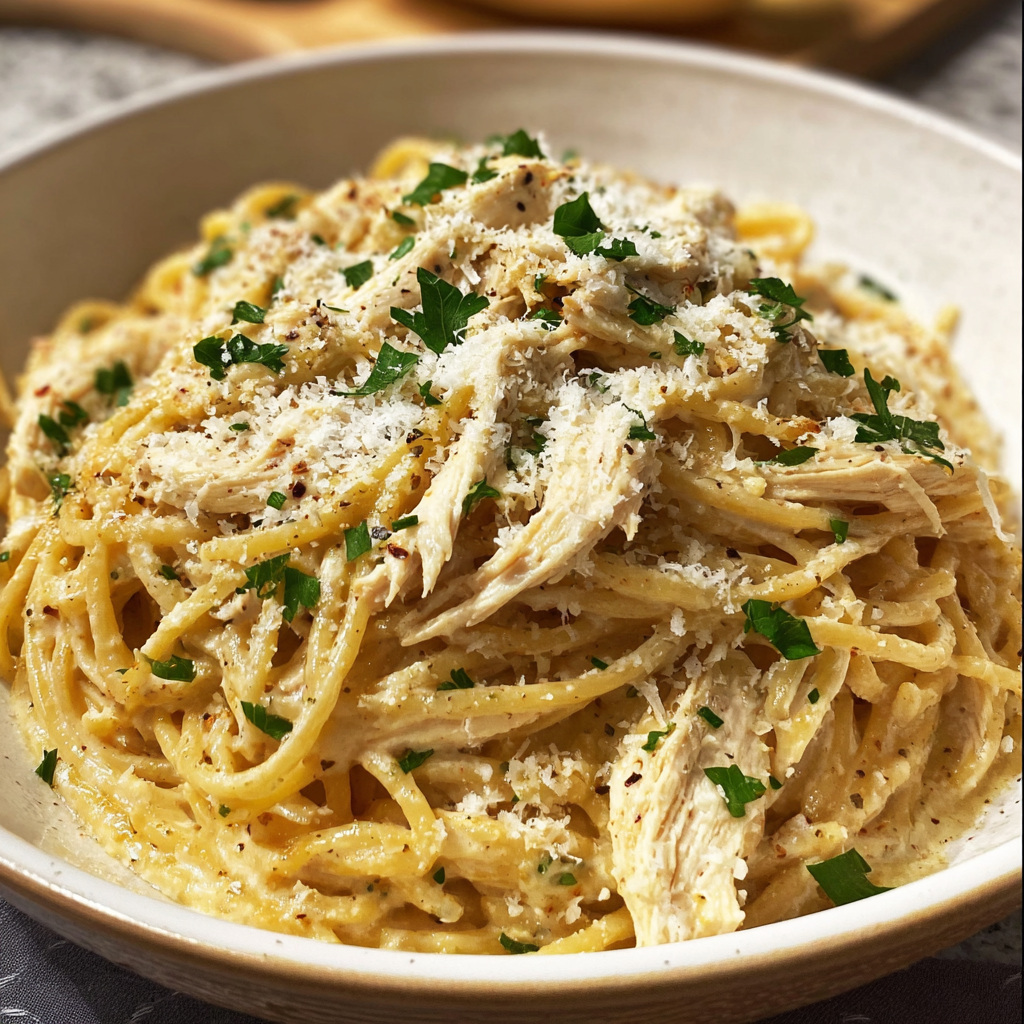
Even with such a straightforward recipe, certain pitfalls can prevent your High Protein Garlic Parmesan Pasta from reaching its full potential. Learn from these common mistakes to ensure every batch turns out perfectly delicious and nutritionally optimized.
Mistake #1: Overcooking the high-protein pasta
Legume-based high-protein pastas (chickpea, lentil, black bean) have a narrower window of perfection than traditional wheat pasta and can quickly become mushy, grainy, or fall apart. Solution: Start testing for doneness 1-2 minutes before package directions suggest. You want al dente—tender with slight resistance when bitten. Remember pasta continues to absorb liquid off-heat. [Timing tip: Set a timer and check frequently—it’s better to slightly undercook than overcook these varieties.]
Mistake #2: Using low-quality or pre-grated Parmesan cheese
Pre-grated Parmesan contains anti-caking agents (like cellulose) that prevent smooth melting, often resulting in a gritty or separated sauce that lacks the luxurious mouthfeel this dish should have. Solution: Invest in a small wedge of Parmigiano-Reggiano or quality domestic Parmesan and grate it yourself using the fine holes of a box grater. The flavor and texture difference is immediately noticeable. [Cost-saving tip: A little goes a long way—buy a small piece and grate as needed.]
Mistake #3: Burning the garlic
Garlic burns extremely quickly (in seconds, not minutes) and turns bitter, which can ruin the entire dish’s flavor profile. Burnt garlic adds an acrid note that no amount of cheese or cream can mask. Solution: Sauté garlic over medium-low heat just until fragrant (about 30-45 seconds), then immediately proceed to the next step. Have your dairy base ready to add to the pan immediately after garlic becomes fragrant to stop the cooking process. [Visual cue: Garlic should turn translucent, not golden brown.]
Mistake #4: Adding cheese to too-hot liquid
Adding cheese directly to a boiling or very hot liquid can cause the proteins to seize up and separate, resulting in a grainy, oily sauce rather than a smooth emulsion. Solution: Reduce heat to low or medium-low before adding your dairy and cheese base. If the mixture looks like it’s separating (oil pooling), remove from heat immediately and whisk vigorously—often adding a tablespoon of warm liquid will bring it back together. [Technique secret: Low and slow cheese incorporation prevents protein tightening and moisture loss.]
Mistake #5: Neglecting to reserve pasta water
The starchy water reserved from cooking pasta is crucial for adjusting sauce consistency and helping the sauce adhere to the pasta. Without it, you may end up with a sauce that’s too thick or doesn’t coat properly, leading to clumping or separation. Solution: Before draining your pasta, scoop out 1-2 cups of the cooking water into a heatproof measuring cup. You’ll likely not need all of it, but having it available is essential for sauce adjustments. [Pro tip: Keep your reserved water warm until needed—cold water can lower sauce temperature too much.]
By avoiding these common mistakes, you’ll consistently create High Protein Garlic Parmesan Pasta that’s creamy, flavorful, perfectly textured, and truly satisfying—every single time—while maximizing its nutritional benefits.
FAQ
Here are answers to the most frequently asked questions about High Protein Garlic Parmesan Pasta, addressing common concerns and helping you customize the recipe with confidence.
Q: Can I make this recipe ahead of time for meal prep?
A: Absolutely! This dish is excellent for meal prep. For best texture when reheating, slightly undercook the pasta (it will continue to absorb liquid when stored) and consider storing sauce separately if possible. Reheat gently with a splash of milk, broth, or pasta water to restore creaminess. Many find the flavors improve after a day as ingredients meld. [SEO target: “meal prep high protein pasta” captures users planning weekly cooking]
Q: What’s the best high-protein pasta to use for this recipe?
A: It depends on your preferences and dietary needs. Chickpea pasta (like Banza) offers great texture and nutty flavor with 14g protein per serving. Lentil pasta provides earthy notes and similar protein. Edamame pasta has a mild flavor and firm texture. Wheat-based protein pastas (like Barilla Protein+) offer familiar taste with boosted protein. Experiment to find your favorite—each brings slightly different characteristics to the dish. [Comparison opportunity: “best high protein pasta for creamy sauces” helps users make informed choices]
Q: Can I make this dish vegetarian or vegan?
A: For vegetarian: The base recipe is already vegetarian if you omit any meat additions. For vegan: Replace the dairy base with 1 cup blended silken tofu + 2 tablespoons nutritional yeast + 1 tablespoon lemon juice or white miso for umami. Use vegan Parmesan alternative (store-bought or homemade from nuts/nutritional yeast). Boost protein further with added white beans or lentils. [High-value keyword: “vegan high protein garlic parmesan pasta” targets specific dietary search traffic]
Q: My sauce separated or became grainy—how can I fix it?
A: If separation occurs (you see oil pooling), remove from heat immediately. Whisk vigorously while gradually adding warm liquid (pasta water, milk, or broth) a tablespoon at a time. The emulsion should come back together. Prevent future separation by keeping heat low when adding cheese and ensuring your garlic isn’t burnt before adding dairy. [Technique rescue: A teaspoon of Dijon mustard or egg yolk can help re-emulsify a broken sauce if whisking alone doesn’t work.]
Q: How can I increase the protein content even further without changing the flavor profile much?
A: Several subtle options: 1) Use a higher-protein pasta base (some offer 20g+ protein per serving), 2) Increase the Greek yogurt or cottage cheese in your sauce base by ¼ cup, 3) Add ½ cup of whipped cottage cheese to the finished dish for curds that melt slightly, 4) Stir in ¼ cup of unflavored or vanilla whey protein powder with the sauce liquids (taste first to ensure it doesn’t alter flavor significantly). [Fitness focus: “how to boost protein in pasta recipes” targets users with specific protein goals]
Q: Is this recipe suitable for weight loss or maintenance?
A: Yes, when portion-controlled and customized to your goals. The high protein (30-38g) and fiber (6-10g) promote satiety, helping control hunger between meals. For weight loss, consider: reducing pasta portion slightly, increasing vegetable additions (spinach, zucchini), using fat-free dairy components, and limiting added oil. For maintenance, the standard portions work well as part of a balanced diet. [Nutrition angle: “high protein low calorie pasta” captures users focused on energy density]
Q: Can I use frozen vegetables in this recipe?
A: Yes! Frozen broccoli, spinach, or peas work well. Add frozen vegetables directly to the pasta during the last 2-3 minutes of cooking (no need to thaw first)—they’ll thaw and heat through quickly. If adding to the finished dish, thaw and pat dry first to avoid excess water diluting the sauce. [Convenience hack: Frozen vegetables are often flash-frozen at peak ripeness, preserving nutrients.]
These FAQs address the practical concerns home cooks actually have when trying this recipe, helping ensure success whether you’re making it for the first time or the fiftieth—while building confidence to customize and adapt.
Conclusion
There’s genuine culinary joy in discovering a recipe that delivers on every front: incredible flavor that satisfies deep comfort food cravings, substantial nutritional value that supports your health goals, remarkable simplicity that fits into busy lives, and incredible adaptability that keeps things exciting meal after meal. This High Protein Garlic Parmesan Pasta delivers all that and more, proving that you don’t have to choose between indulgence and intelligence when it comes to what you put on your plate.
What makes this dish truly special is how it honors the timeless appeal of garlicky, cheesy pasta while making smart nutritional upgrades that you can feel good about with every bite. Instead of the temporary satisfaction followed by guilt that often accompanies traditional comfort food versions, this recipe offers lasting fullness, steady energy, and the genuine pleasure of twirling forkfuls of luxuriously coated pasta—all while delivering an impressive protein punch that actively supports your body’s needs.
Whether you’re refueling after an intense workout, seeking a satisfying weeknight dinner that won’t leave you reaching for snacks an hour later, or meal-prepping for chaotic days ahead, this recipe scales beautifully while maintaining its integrity. Its versatility means you’ll never get bored—swap pasta types, adjust protein bases, play with vegetable additions, or experiment with herb variations to create endless iterations that still capture the essence of what makes this dish so nourishing and delicious.
We encourage you to make this High Protein Garlic Parmesan Pasta your own. Try it as written first to appreciate its perfect balance of flavor and nutrition, then experiment with the adaptations that appeal to your taste buds, dietary needs, and culinary curiosity. Share your successes (and even your learning moments) with friends and family—after all, food tastes best when it’s shared, savored, and talked about around the table.
Ready to experience comfort food that loves you back? Give this recipe a try tonight and discover how simple, thoughtful ingredient choices can transform a classic dish into a nutritional powerhouse that satisfies on every level. We’d love to hear how it turned out for you—drop a comment below sharing your variations, tips, or simply how much you enjoyed this protein-packed twist on a beloved classic!
If you loved this High Protein Garlic Parmesan Pasta, you might also enjoy these similar winners: Creamy Tuscan Chicken Pasta with Spinach, One-Pan Lemon Herb Salmon and Vegetables, or Healthy Chicken and Vegetable Stir-Fry with Quinoa. Happy cooking!
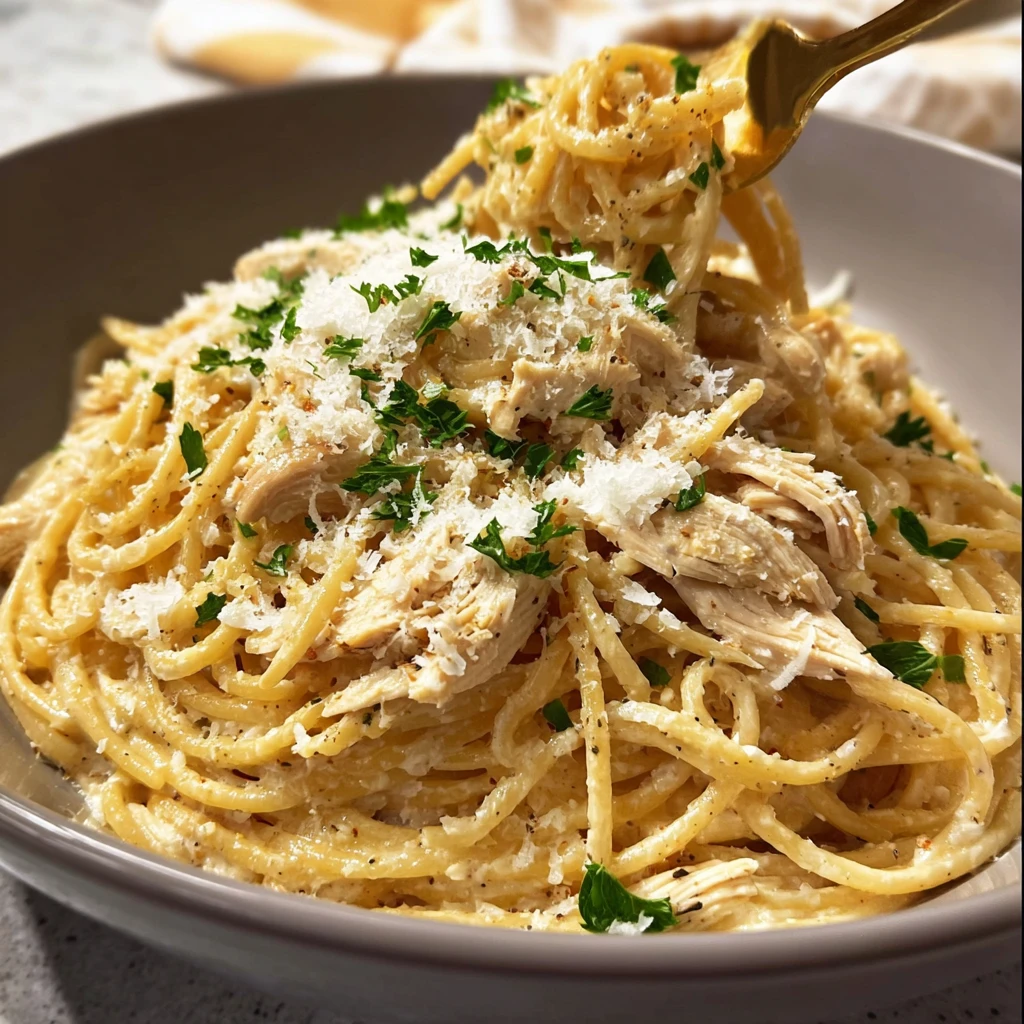
High Protein Garlic Parmesan Pasta: 5 Reasons to Love It
Indulge in a delightful dish featuring creamy pasta coated in a luscious garlic parmesan sauce, enriched with the goodness of high protein pasta. This culinary masterpiece promises to tantalize your taste buds and leave you craving for more.
Ingredients
- High protein pasta
- Garlic
- Parmesan cheese
- Cream
- Olive oil
- Fresh herbs
Directions
-
Cook the high protein pasta according to package instructions until al dente.
-
Sauté minced garlic in olive oil until fragrant and golden brown.
-
Pour in cream and simmer gently until slightly thickened.
-
Add the cooked pasta to the sauce, tossing to coat evenly.
-
Sprinkle grated parmesan cheese over the pasta and mix well until cheese melts and forms a creamy sauce.
-
Serve the High Protein Garlic Parmesan Pasta hot, garnished with fresh herbs and an extra sprinkle of parmesan.