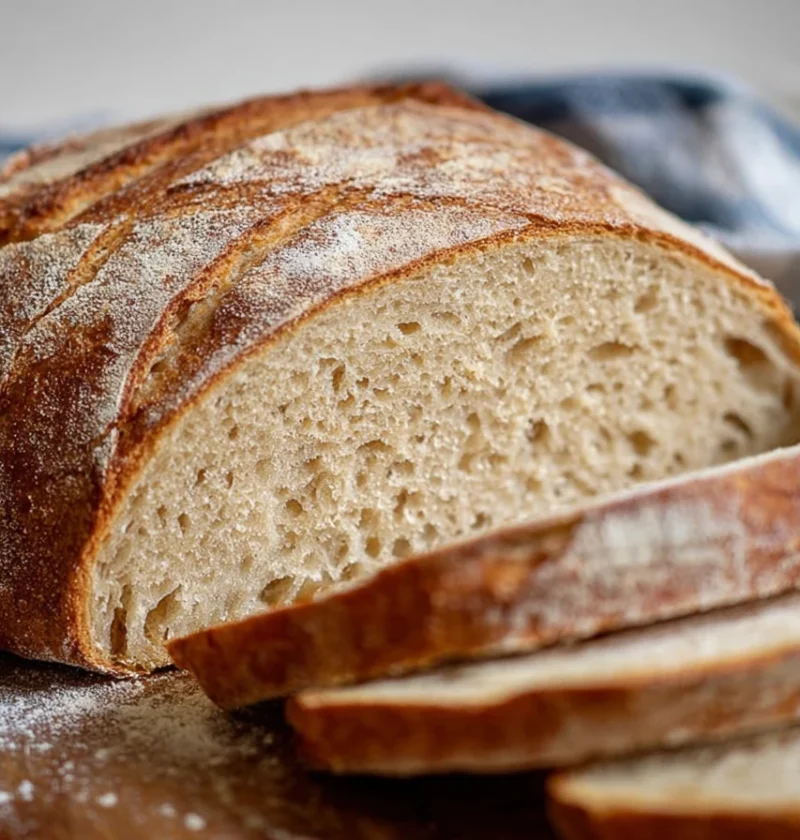
Artisanal Sourdough Loaf
Welcome to the enchanting world of artisanal sourdough bread, where every loaf tells a story of patience, skill, and the alchemy of fermentation. The mere mention of freshly baked sourdough can evoke memories of rustic bakeries, the warmth of a kitchen, and the irresistible aroma of bread emerging from the oven. The journey of creating an artisanal sourdough loaf is a testament to the slow food movement, embracing traditions that date back centuries.
Imagine biting into a slice of sourdough bread with a perfectly crispy crust giving way to a chewy interior, bursting with tangy flavor and a hint of sweetness. The unique taste of sourdough comes from wild yeast and lactobacilli bacteria working together to ferment the dough, creating complex flavors and textures that are unmatched by commercially produced bread.
As you embark on this culinary adventure, you will witness the transformation of simple ingredients—flour, water, salt—into a masterpiece of flavor and texture. The process of nurturing a sourdough starter, mixing the dough, and patiently waiting for it to rise is a labor of love that culminates in a loaf that is not just food but a work of art.
Let’s delve into the mesmerizing world of artisanal sourdough bread, where time-honored techniques meet modern creativity to produce loaves that are as beautiful to look at as they are delicious to eat. Let’s explore the secrets behind this magical journey of fermentation and flavor that will elevate your bread-making skills to new heights. Let’s get started on this culinary odyssey.
Why You’ll Love This Recipe
1. Experience the unparalleled taste of freshly baked artisanal sourdough, with its unique tangy flavor and chewy texture that is a delight for your taste buds.
2. Delight in the art of fermentation as you witness the transformation of simple ingredients into a complex and flavorful loaf of bread that is as satisfying to make as it is to eat.
3. Embrace the tradition of sourdough bread-making and connect with a rich culinary heritage that spans generations, adding a touch of nostalgia to your baking endeavors.
4. Elevate your baking skills with this recipe, mastering the techniques of creating and maintaining a sourdough starter, shaping the dough, and achieving the perfect bake every time.
Ingredients
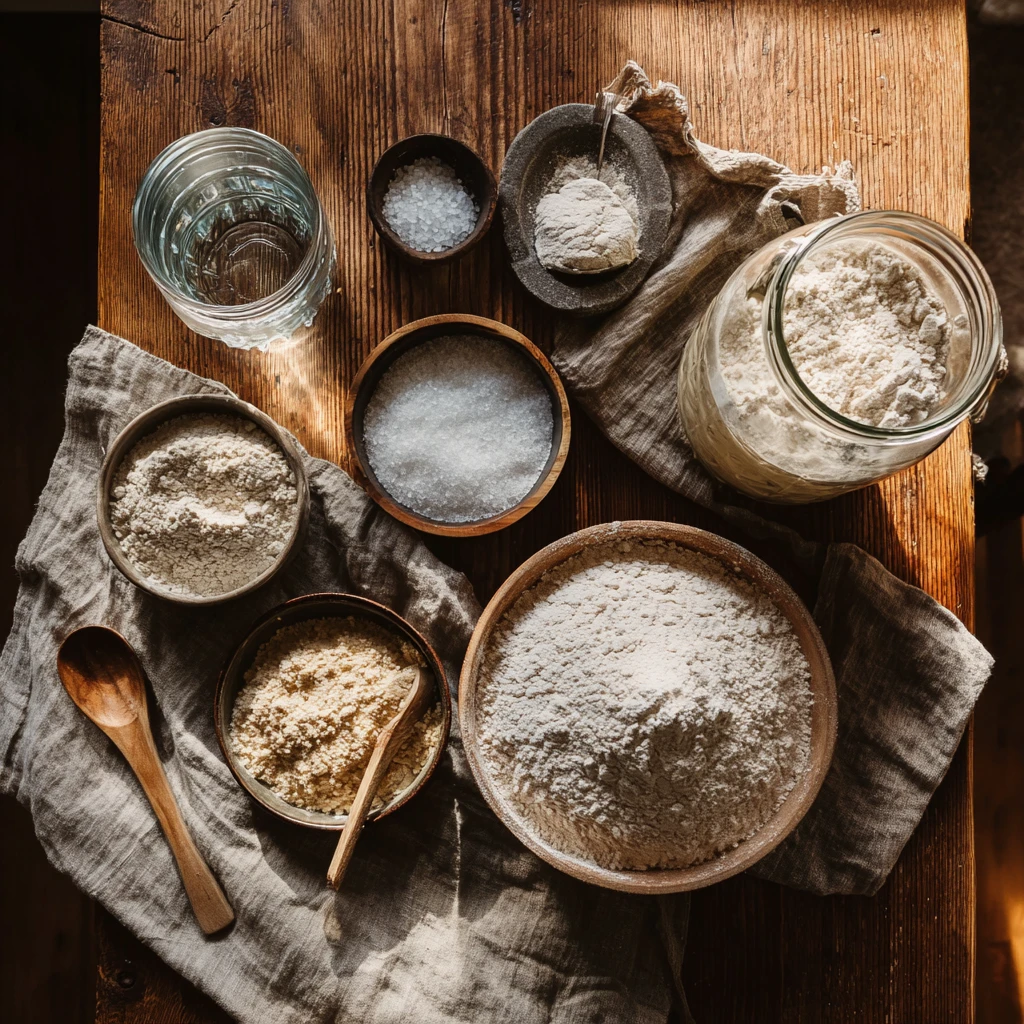
Creating an artisanal sourdough loaf requires just a few simple ingredients:
– Organic bread flour
– Filtered water
– Sea salt
Each ingredient plays a crucial role in the fermentation process and the development of flavor and texture in the final loaf.
Step-by-Step Instructions
1. Prepare the sourdough starter by mixing flour and water in a glass jar and allowing it to ferment at room temperature for several days, feeding it regularly to promote yeast growth.
2. Combine the starter with flour, water, and salt to create the dough, kneading it until smooth and elastic, then allowing it to rise for several hours until doubled in size.
3. Shape the dough into a loaf, placing it in a proofing basket lined with a kitchen towel dusted with flour, then letting it rise again until puffy and ready to bake.
4. Preheat the oven and a Dutch oven to create steam during baking, then carefully transfer the risen dough into the hot Dutch oven, scoring the top with a sharp blade before covering and baking.
Tips for Success
1. Maintain a consistent feeding schedule for your sourdough starter to keep it healthy and active, ensuring a robust fermentation process.
2. Use a kitchen scale to measure ingredients by weight rather than volume for greater accuracy and consistency in your bread-making endeavors.
3. Experiment with different flour blends and hydration levels to customize the flavor and texture of your sourdough loaves, adding a personal touch to your creations.
4. Allow the dough to undergo a slow fermentation process in the refrigerator to develop deeper flavors and a more complex crumb structure in the finished loaf.
Variations & Substitutions
1. For a whole-grain twist, substitute a portion of the bread flour with whole wheat or rye flour to add nutty flavors and a denser texture to your sourdough loaf.
2. Incorporate seeds, nuts, or dried fruits into the dough during mixing to introduce additional flavors and textures, creating a unique and personalized artisanal sourdough creation.
3. Experiment with different shaping techniques and scoring patterns to create visually stunning loaves that are as beautiful to look at as they are delicious to eat.
What to Serve With It
Pair your freshly baked artisanal sourdough loaf with:
– A selection of premium cheeses and charcuterie for a sophisticated bread and cheese board experience.
– Homemade preserves, flavored butters, or artisanal jams for a sweet and savory accompaniment that enhances the flavor of the bread.
– A hearty bowl of soup or stew for a comforting and satisfying meal that celebrates the simple pleasures of good bread and good company.
Storage & Reheating
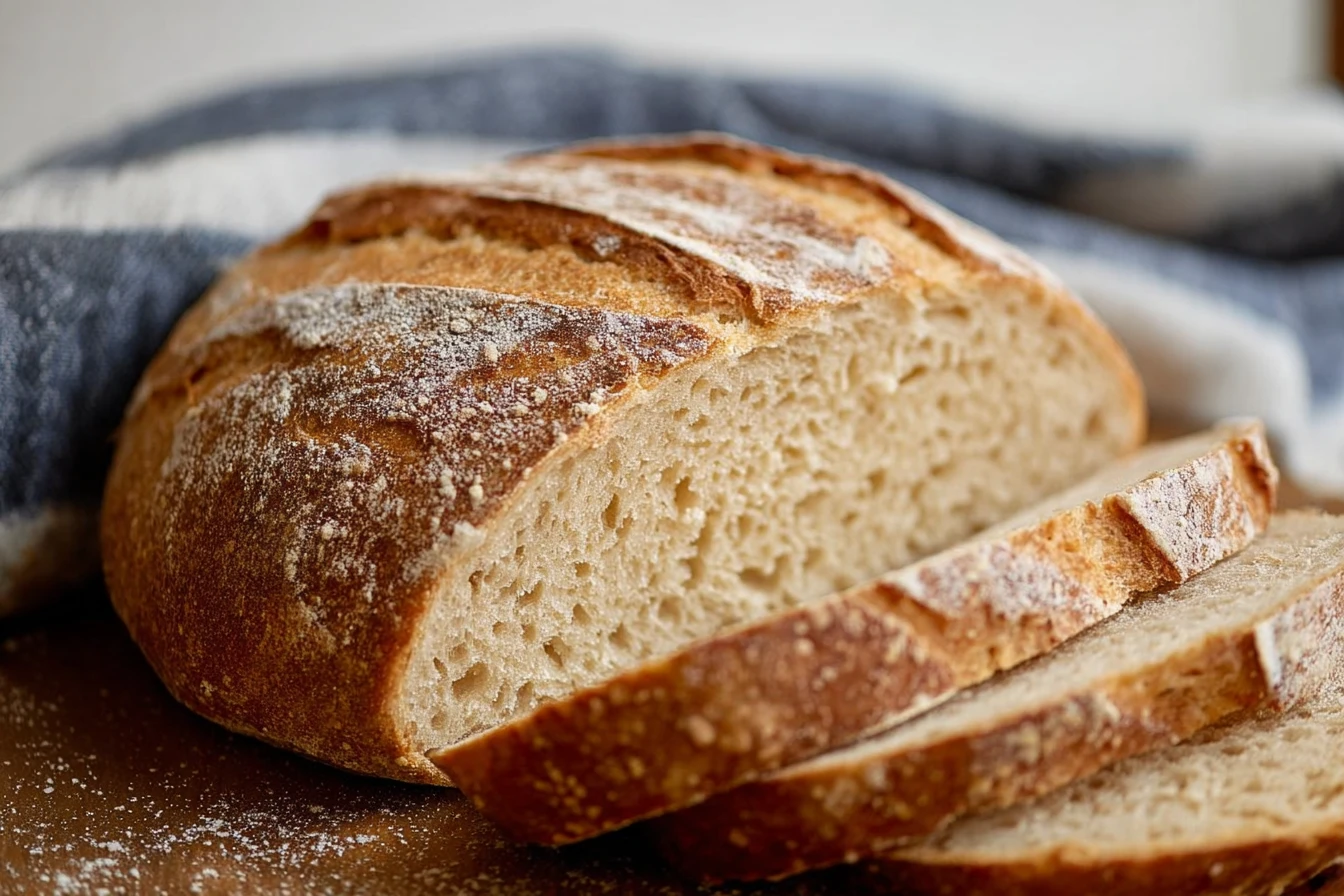
To keep your artisanal sourdough loaf fresh, store it in a paper bag at room temperature for up to 3 days, toasting slices to revive their crusty exterior and chewy interior. For longer storage, freeze the loaf wrapped in plastic wrap and aluminum foil for up to 3 months, thawing and reheating slices in a preheated oven to enjoy the bread at its best.
Nutrition Facts
Each serving of artisanal sourdough bread provides:
– Calories: 150
– Protein: 5g
– Carbs: 30g
– Fat: 1g
– Fiber: 3g
– Sugar: 1g
– Sodium: 300mg
This high-fiber, low-fat bread is suitable for a variety of dietary preferences, making it a versatile and nutritious addition to your mealtime rotation.
Common Mistakes to Avoid
1. Overfeeding or neglecting your sourdough starter, leading to imbalances in yeast activity and inconsistent fermentation results in your bread.
2. Skipping the autolyse stage of dough preparation, which helps develop gluten structure and improves the overall texture and rise of your sourdough loaf.
3. Baking your bread at too high or too low a temperature, resulting in uneven browning, underbaking, or overbaking that affects the final taste and appearance of the loaf.
FAQ
1. Can I use all-purpose flour instead of bread flour for my sourdough bread?
– Yes, all-purpose flour can be used, but bread flour is preferred for its higher protein content, which contributes to better gluten development and a chewier texture in the finished loaf.
2. How do I know when my sourdough loaf is fully proofed and ready to bake?
– Gently press a finger into the dough; if the indentation slowly springs back, the dough is properly proofed and ready for baking.
3. Can I bake sourdough bread without a Dutch oven?
– While a Dutch oven helps create steam and a crispy crust, you can bake your sourdough loaf on a baking stone or sheet pan, spritzing the oven with water to achieve a similar effect.
4. How can I add seeds or nuts to my sourdough bread?
– Fold in the seeds or nuts during the final stages of dough mixing, ensuring even distribution throughout the dough for a flavorful and textured loaf.
Conclusion
Embark on your sourdough journey with confidence and creativity, as you master the art of creating artisanal loaves that reflect your passion for baking and appreciation of tradition. Let the aroma of freshly baked bread fill your kitchen and the taste of tangy sourdough delight your senses as you savor each slice of your homemade creation. Share your baking triumphs and the joy of good food with loved ones, inviting them to experience the magic of artisanal sourdough bread alongside you. If you are looking to expand your bread-making repertoire, try my recipe for Rosemary Olive Focaccia for a savory twist on a classic favorite. Let the magic of sourdough fermentation and flavor inspire your culinary adventures!
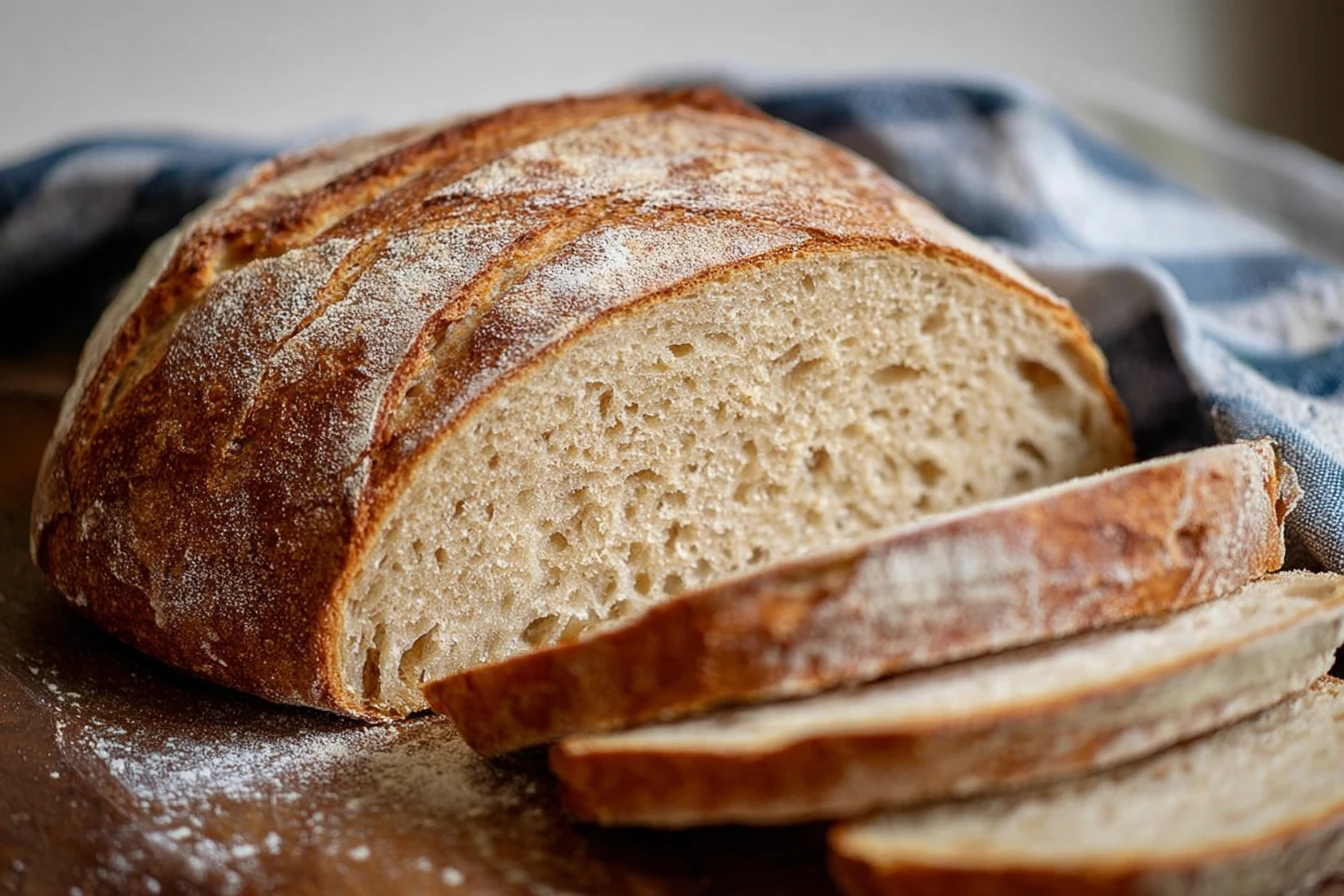
Artisanal Sourdough Loaf: A Magical Journey of Fermentation and Flavor
Experience the magical journey of fermentation and flavor with this artisanal sourdough loaf. Perfectly crispy crust, chewy interior, and tangy flavor make this bread a true masterpiece.
Ingredients
- Organic bread flour
- Filtered water
- Sea salt
Directions
-
Prepare the sourdough starter by mixing flour and water in a glass jar and allowing it to ferment for several days.
-
Combine the starter with flour, water, and salt to create the dough, knead until smooth, allow to rise for several hours.
-
Shape the dough into a loaf, place in a proofing basket, let it rise again until puffy.
-
Preheat the oven and a Dutch oven, transfer the risen dough, score the top, cover and bake.